Carpenter in Cleveland, OH: Wood Rot, Structure & Finish Work
Cleveland Carpentry is a local residential carpentry shop serving homeowners searching for a carpenter near me in Cleveland, Cleveland Heights, Shaker Heights, Lakewood, Parma, and the surrounding areas. We work on the full range of wood carpentry: wood rot and insect damage repair, structural framing and joist work, and all the finish carpentry, trim, doors, cabinets and built-ins that make a house livable. We know the local building stock, the Tudor Revivals and Colonials of the garden suburbs, the craftsman bungalows and Cleveland doubles of the near neighborhoods, the restored lofts and rowhouses, and the post-war brick ranches, and we understand how a century of settling, freeze-thaw cycles, and lake-effect moisture work on wood framing.
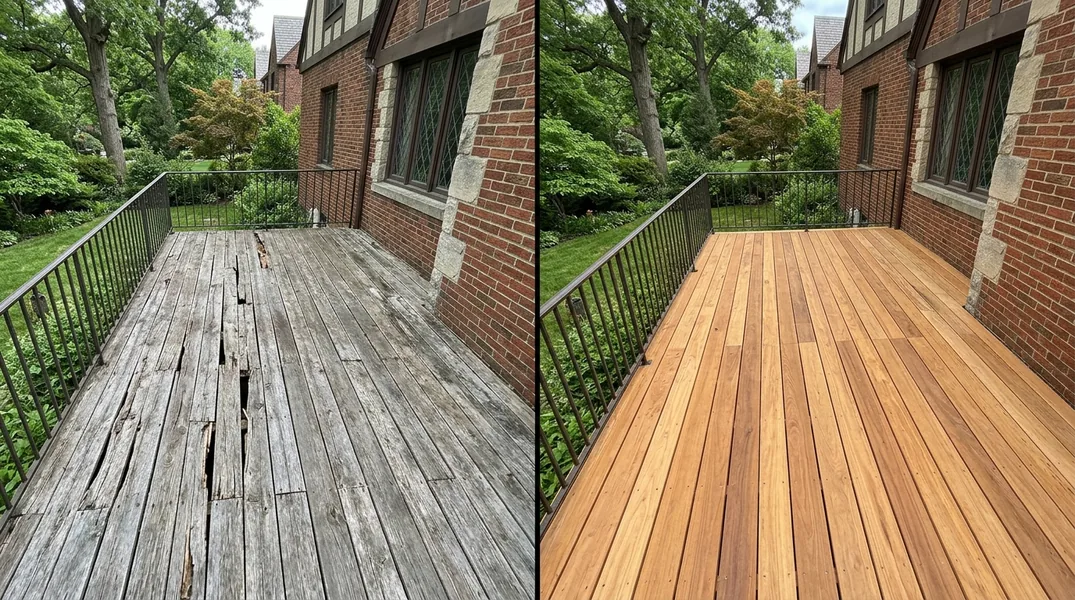
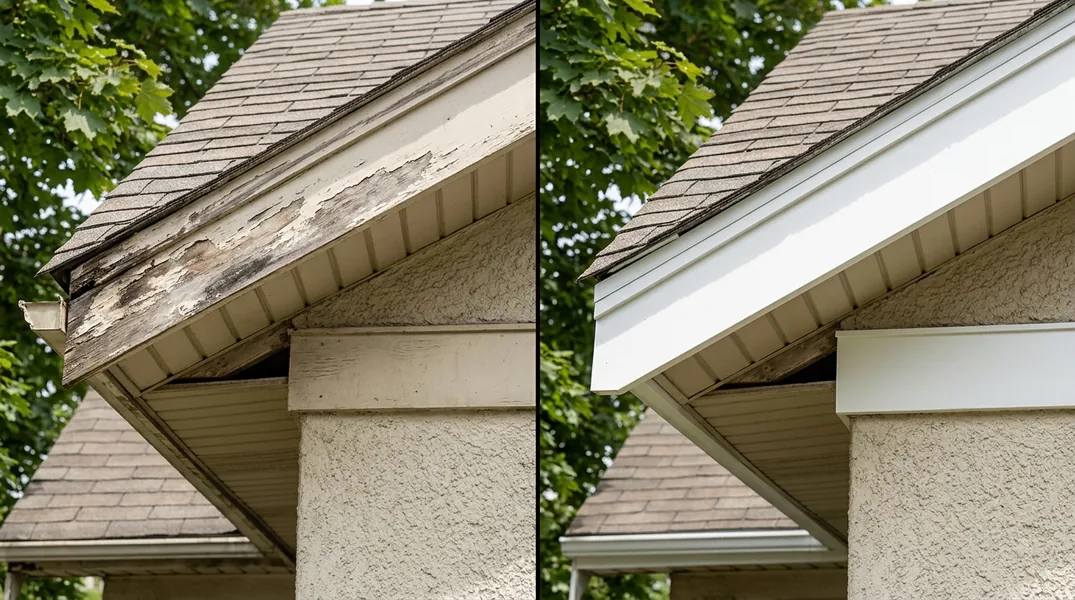
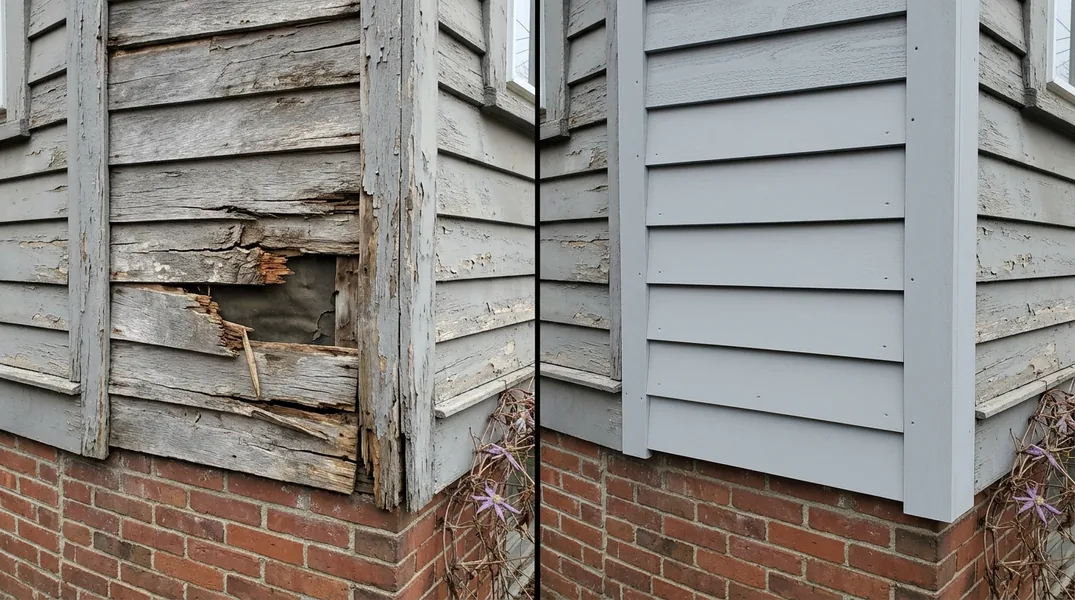
The same carpenters who answer the phone do the work on your house. We read the pathology, explain what is happening and why, and propose repair when the wood justifies it. If you have noticed soft spots in a deck frame, advancing rot in fascia or siding, a soft or bouncy floor, or damage flagged by a pest inspection, call us for a free wood rot inspection.
Why Wood Fails in Cleveland, and How We Read It
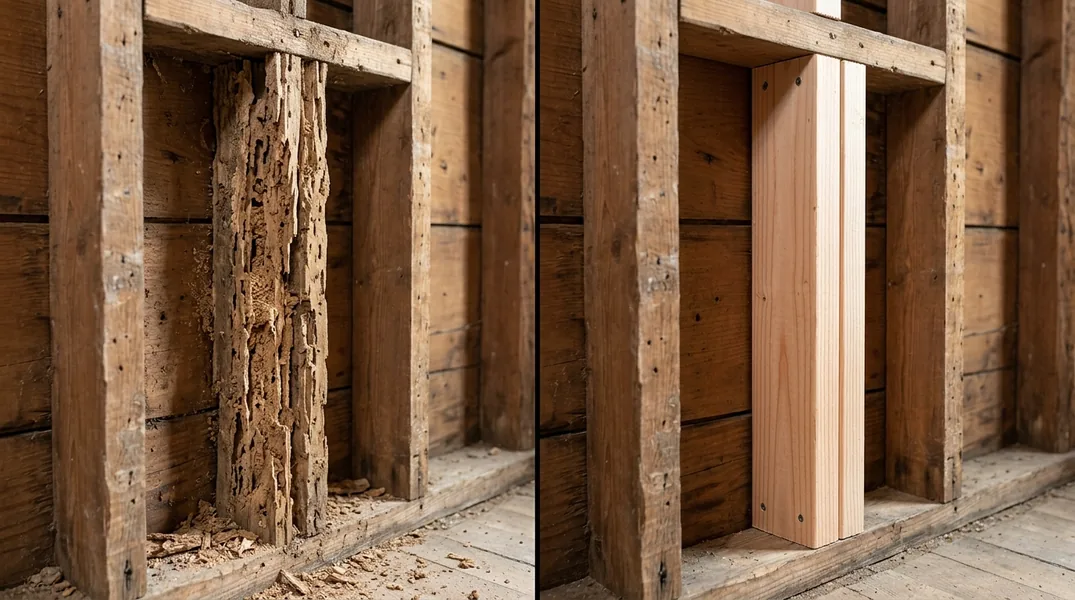
Wood fails here for specific reasons, and understanding them is the first step in fixing it right. Dry rot is a fungal decay that needs sustained moisture rather than standing water, and our humid summers, heavy snow, freeze-thaw cycles, and ice-dam moisture intrusion behind fascia and soffit create exactly those conditions. Wet rot settles into sills, window thresholds, deck ledgers, and anywhere water sits and does not dry out. Termites and wood-boring beetles are present in our region, though less aggressive than in warmer climates; they hollow out the interior of a framing member while the paint film on the outside remains intact, making them invisible until a pest inspection finds them or a probe goes through.
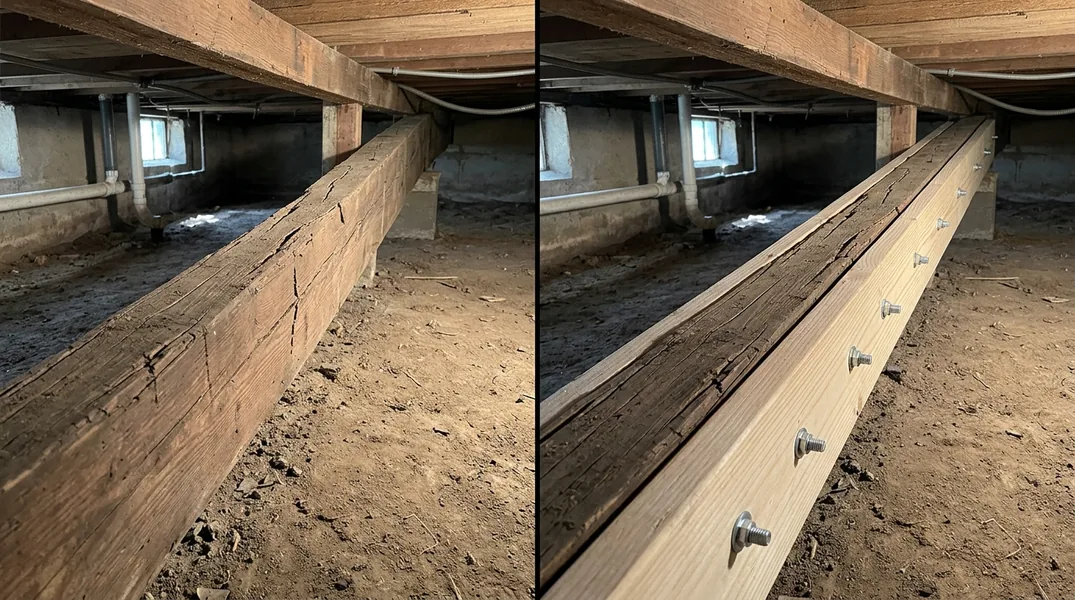
We assess rot and insect damage by probing to find where sound wood begins, checking what is happening behind the visible surface, and tracing the water path that fed the decay. A cosmetic surface softness on a sound member can be cut out and rebuilt with epoxy or new wood. A joist or beam that has lost significant section gets replaced, usually by sistering a new member alongside it or installing a new beam in place. Here is the essential point: if the water source is not closed, the repair fails again. Filler over rot is not a repair. On insect damage, we repair and replace the wood that has been damaged, working from your own pest inspection report. We do not treat, fumigate, or perform pest control, that is a separate regulated trade. If you have found damage or suspect it, call (216) 259-8358 to discuss what you are seeing, or request a free wood rot inspection.
The honest call on any rot or insect damage comes down to three things: how much sound section is left in the member, whether the water source can be closed, and what the two costs compare to. We quote both repair and replacement when both are real options, and we tell you plainly which one makes sense.
Structural Carpentry in Cleveland: Joists, Beams and Settling
Structural carpentry in Cleveland means understanding how old houses settle. A building that has been standing for a century and has settled slowly is in the normal condition for this city. Sloping floors, sticking doors, and out-of-plumb walls are usually the result of that slow settling rather than active failure. What matters is whether a member is still moving, whether it is still doing its job at the bearing points, and what the water exposure looks like. We repair and replace floor joists, subfloor sections, sill plates, rim joists, and damaged beams. We sister a joist when the sound section is sufficient and the bearing is good; we replace it when it is not. We install new beams and headers as part of larger framing work. Floor joist and subfloor repair is one of the most common structural jobs we handle, especially in the older neighborhoods where moisture has worked on rim joists and sill plates for decades.
Beam sizing and load-bearing alterations commonly require engineered drawings from a licensed structural engineer and a permit from the local building department. We build to those drawings and do not produce them. Beam replacement and load-bearing wall removal are jobs we do regularly, but they start with an engineer and a conversation with the building department, not with us.
Finish Carpentry and Built-Ins in Cleveland Homes
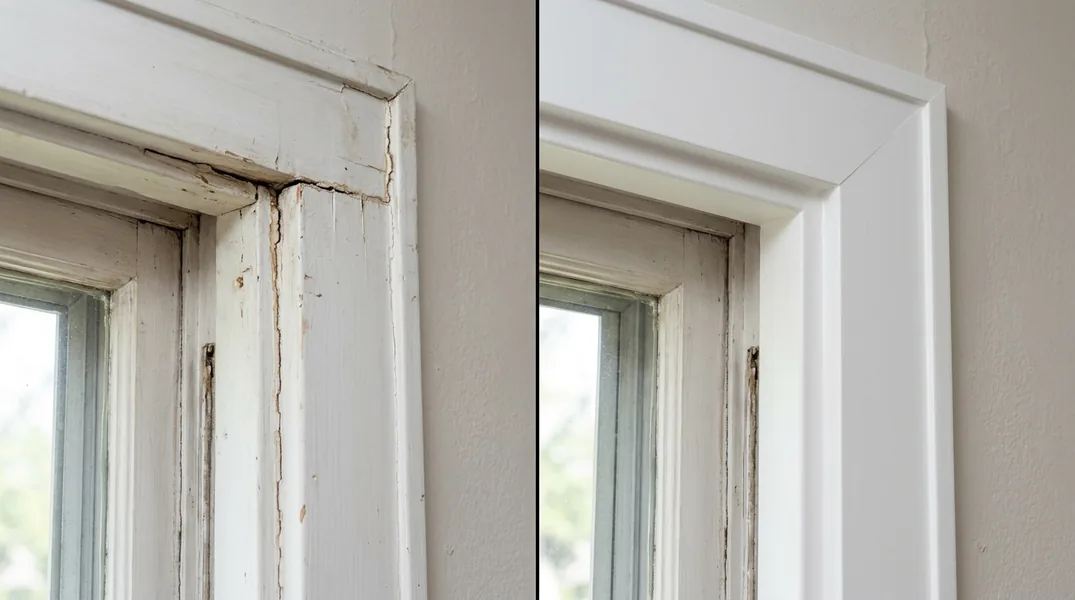
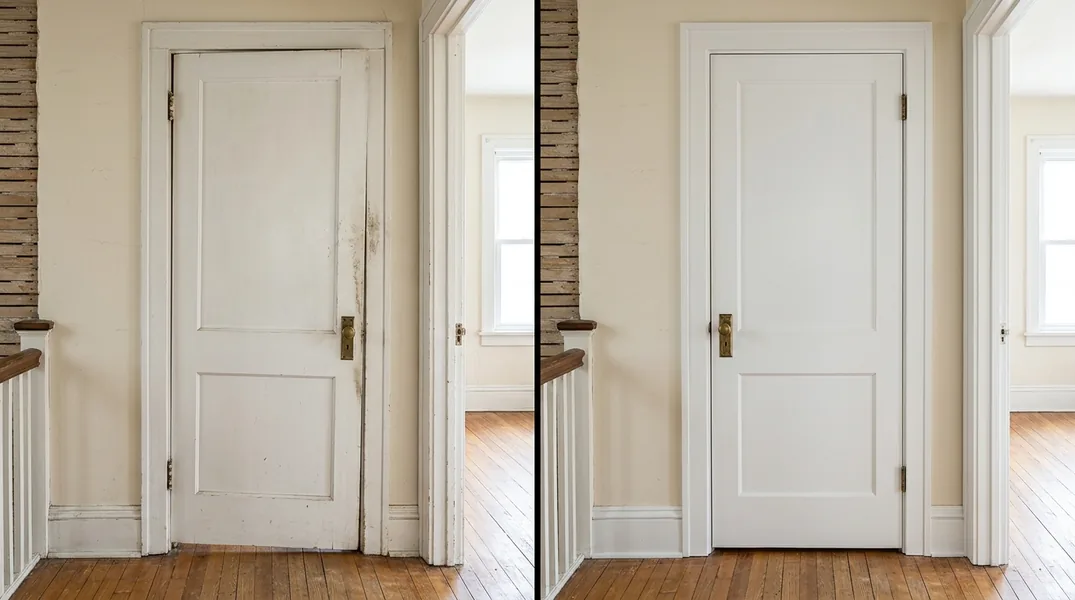
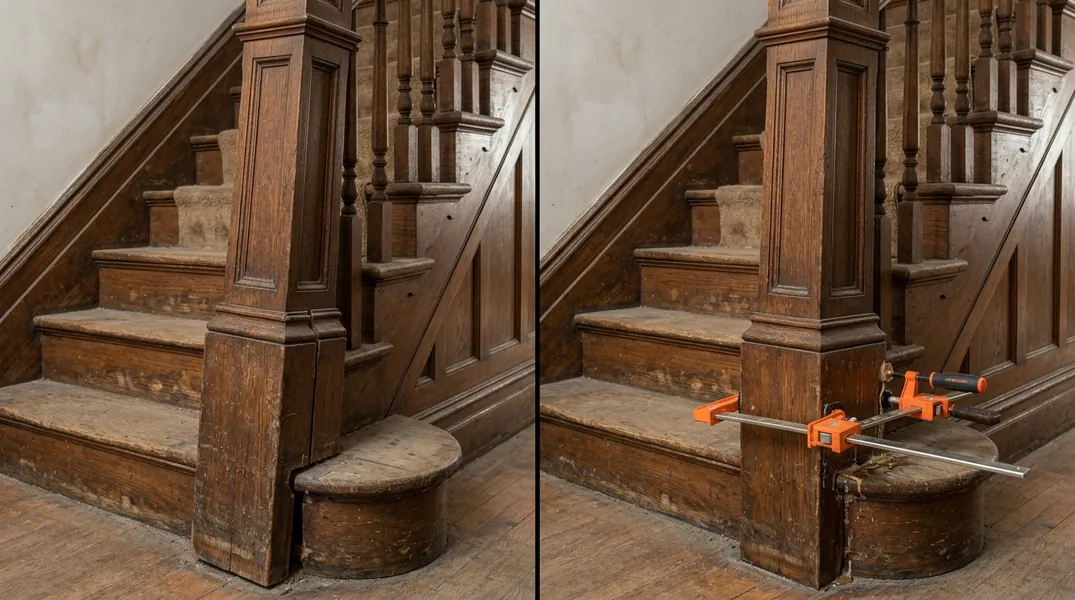
Finish carpentry in Cleveland homes means working with what is already there and doing it right. We install casing, baseboard, crown molding, and wainscoting with coped joints instead of caulked corners, scribing to walls that are neither flat nor plumb, and consistent reveals that look intentional rather than accidental. Many of the homes we work in have original millwork worth matching, period profiles, wood species, and proportions that feel right in a 1920s bungalow or a Tudor Revival. We build custom built-ins and shelving into bay windows and compact floor plans, install interior doors and cabinets and vanities, and repair or replace stairs and railings. The craft is in the details: how a joint closes, how a reveal reads, how a profile transitions at an out-of-square opening.
This is the work that makes a house feel like home rather than a box. We take time to understand what the space needs and what the existing stock suggests, and we build to that standard.
Permits, Repair-or-Replace & What We Do Not Do
Permits are required for many carpentry projects, particularly structural work. A permit is commonly required for removing or altering a load-bearing wall, replacing beams or joists, and installing or altering exterior decks and stairs, but requirements and thresholds vary by jurisdiction. We do not offer structural engineering services or engineered drawings; those are provided by a licensed structural engineer. We also do not offer mold testing, assessment, or remediation. On termite damage, we repair and replace the wood that has been damaged, working from your own pest inspection report. We do not treat, fumigate, or perform pest control. If your homeowner's insurance covers the damage, we can help you document it for your claim, but we cannot promise that a claim will be approved or that work will be covered.
The decision to repair or replace a damaged member comes down to three practical questions: how much sound wood remains, whether the water source can be closed, and what each option costs. We quote both when both are realistic, and we explain the trade-offs plainly. Requirements vary, always verify with the Cleveland building department before starting your project.