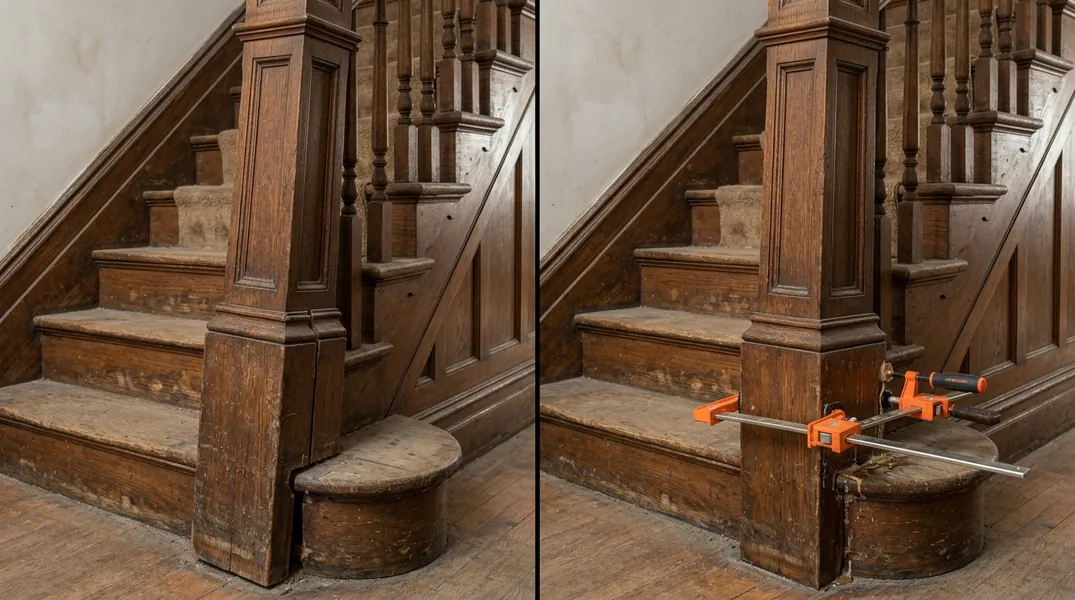
The Freeze-Thaw Cycle: Why Cleveland Winters Wreak Havoc on Foundations
If you've lived in Cleveland for more than a few winters, you've probably noticed something unsettling: your doors don't close the way they used to, or you're walking across a floor that feels subtly tilted. These aren't signs of poor craftsmanship in your home. They're symptoms of a predictable and powerful force that affects nearly every house in Northeast Ohio: the freeze-thaw cycle.
During winter, water in the soil around your foundation freezes and expands. This expansion pushes upward and outward on your foundation with tremendous force, sometimes moving it several millimeters. When spring arrives and the soil thaws, it contracts and settles back down, but rarely to exactly the same position. Year after year, winter after winter, these small movements accumulate. Over a decade or two, they add up to measurable shifts in your home's structure. Your foundation doesn't move uniformly either. One corner might shift more than another, or one side of the house more than the opposite side. This differential movement is what causes the real problems: doors that bind in their frames, floors that slope, and walls that crack.
Why Your Doors Won't Close Properly: A Sign of Foundation Movement
One of the first signs homeowners notice is that a door won't close properly. You might have to lift the handle slightly, push hard, or jiggle it to get it to latch. Or perhaps it closes fine in summer but becomes stubborn come winter. This frustrating problem usually points to one of two culprits: the door frame has shifted out of square, or the floor beneath the door has settled unevenly.
When your foundation moves due to freeze-thaw cycles, the wooden frame of your door moves with it. Even a shift of half an inch can throw a door frame out of square, making the door bind against the frame. Sticking doors in house are particularly common in Cleveland Heights and other older neighborhoods where homes were built on shallow foundations without modern frost protection. The problem isn't always obvious at first. You might blame the door itself, the hinges, or humidity. But if multiple doors in your home are sticking, or if the problem gets worse each winter, foundation movement is the likely culprit.
The good news is that minor door binding can sometimes be addressed with adjustments to hinges or a planing of the door edge. However, if the underlying cause is significant foundation movement, those fixes are temporary band-aids. A professional carpenter can assess whether your foundation is moving and recommend whether the door repair is a quick fix or part of a larger structural issue that needs attention.
Uneven Floor Repair: Identifying and Addressing Sloping Floors
Walk across your living room and notice the floor feels tilted? You might roll a marble and watch it travel slowly across the room without you pushing it. This is a classic sign of foundation settlement, and it's one of the most common reasons homeowners in Lakewood and throughout the region call for help. Uneven floor repair isn't just a cosmetic issue. Sloping floors indicate that your foundation has moved, and that movement may still be ongoing.
The severity of floor slope varies. A very slight slope (less than 1/4 inch per 10 feet) might be unnoticeable to you but could still indicate active settlement. More significant slopes (1/2 inch or more) are obvious and often accompanied by other problems like cracking drywall, doors that won't close, or windows that are difficult to open. The cause is almost always foundation movement, and the solution depends on what's happening beneath the floor.
Sometimes the problem is localized to one area of the house. A corner might settle more than the rest of the foundation, creating a distinct low spot. Other times, the entire house tilts gradually. The difference matters because it tells you whether the movement is ongoing or has stabilized. If one corner is sinking faster than others, that's active settlement that needs immediate attention. If the floor has sloped evenly for years without getting worse, the movement may have stopped, though the damage remains. Floor Joist & Subfloor Repair is often necessary to correct the slope and prevent further damage to your home's structural integrity.
How Wood Rot Compounds Foundation Problems
Foundation movement alone is damaging enough, but it's often accompanied by a secondary problem that makes everything worse: water intrusion and Wood Rot & Dry Rot Repair. When your foundation shifts, it can create small cracks and gaps. Water seeps in, especially during Cleveland's heavy spring snowmelt and summer storms. This moisture reaches the wooden sill plates, rim joists, and floor joists that sit on your foundation. Over time, rot develops, weakening the very structural members that support your home.
A house with foundation movement and wood rot is in serious trouble. The foundation is no longer providing stable support, and the wooden structure that would normally compensate is being eaten away by decay. This combination accelerates the problems you see above ground: doors stick worse, floors slope more steeply, and new cracks appear in walls. If you notice both foundation movement signs (sloping floors, sticking doors) and soft, discolored wood near your foundation, the situation requires professional intervention immediately. Waiting only allows the rot to spread and the structural damage to mount.
When to Call a Professional: Foundation Repair vs. Cosmetic Fixes
Not every sticking door or slightly uneven floor requires foundation repair. Sometimes a door simply needs planing or hinge adjustment. Sometimes a floor slope is minor, stable, and not a structural threat. The challenge for homeowners is knowing the difference between a minor repair and a sign of serious trouble. This is why a professional assessment is so valuable.
A skilled carpenter can evaluate your home's condition and tell you what's actually happening. They'll check whether doors are sticking due to humidity and seasonal wood movement, or due to foundation shift. They'll measure floor slope and determine whether it's active settlement or old, stable movement. They'll look for signs of wood rot, water intrusion, and structural damage. Based on this assessment, they can recommend the right fix: maybe it's a simple door adjustment, or maybe it's Beam Replacement & Load-Bearing Wall Removal to stabilize your home's structure.
Cleveland Carpentry serves homeowners throughout Shaker Heights and the surrounding area. We've assessed hundreds of homes affected by freeze-thaw foundation movement, and we know what questions to ask and what to look for. If you're concerned about sticking doors, sloping floors, or other signs of foundation movement, the first step is a free estimate. We'll inspect your home, explain what we find, and give you honest advice about what needs to be done and what can wait.
Protecting Your Home: Prevention and Long-Term Solutions
While you can't stop Cleveland's freeze-thaw cycles, you can reduce their impact on your foundation. Proper grading around your home keeps water away from the foundation. A functioning gutter system and downspouts that direct water at least 4 to 6 feet away from your home make a real difference. Keeping the soil around your foundation consistently moist (but not saturated) can reduce the expansion that occurs during freezing. These aren't glamorous fixes, but they're surprisingly effective at slowing foundation movement.
For existing damage, the solution depends on the severity. Minor foundation movement that has stabilized might only require monitoring and preventive maintenance to stop water intrusion and wood rot. Active settlement or significant structural damage may require underpinning, piers, or other structural interventions. The important thing is to address it. Ignoring foundation movement doesn't make it go away. It gets worse, and the cost of repair increases over time.
If you're dealing with sticking doors, sloping floors, or any other signs that your home is moving, reach out to Cleveland Carpentry. Call us at (216) 259-8358 or contact us online for a free estimate. We'll help you understand what's happening in your home and what needs to be done to keep it safe and stable for years to come.
Looking for a professional carpentry contractor in Cleveland? Cleveland Carpentry responds fast for all your carpentry needs.
Get a Free QuoteOur services: Wood Rot & Dry Rot Repair · Termite Damage Repair · Floor Joist & Subfloor Repair